
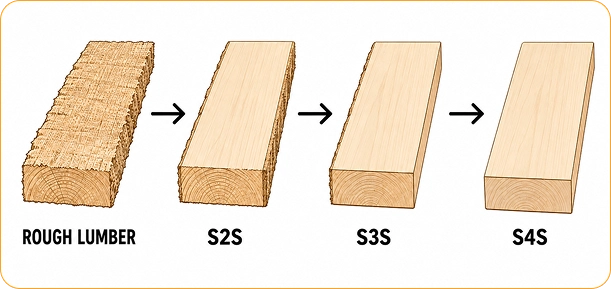
S4S, S3S, and S2S describe how many sides of the board have been surfaced.
Rough lumber is not surfaced at all. It gives you more control over the final thickness and width. But it requires more tools and more time.
S3S or S2S may be useful when woodworkers still want some control but do not want to start from a rough board.
S4S lumber is the simplest option for buyers who want a cleaner board with less preparation. That is why it works well for small shops, interior fit-out teams, DIY users, and repeatable project packages.
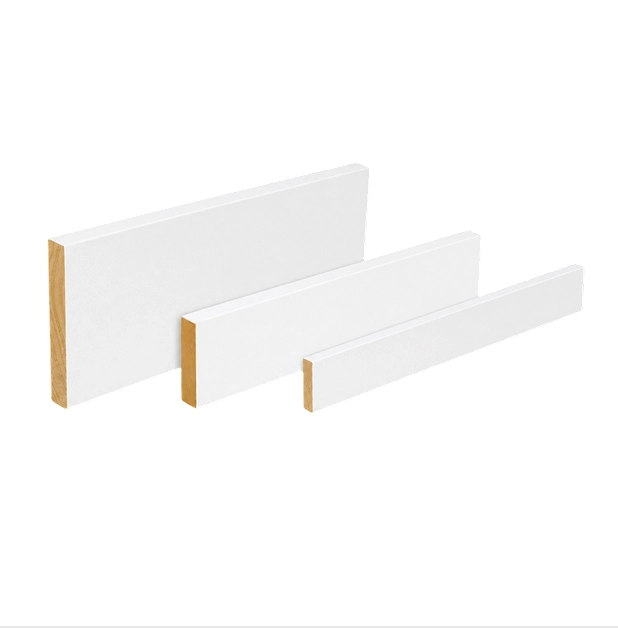
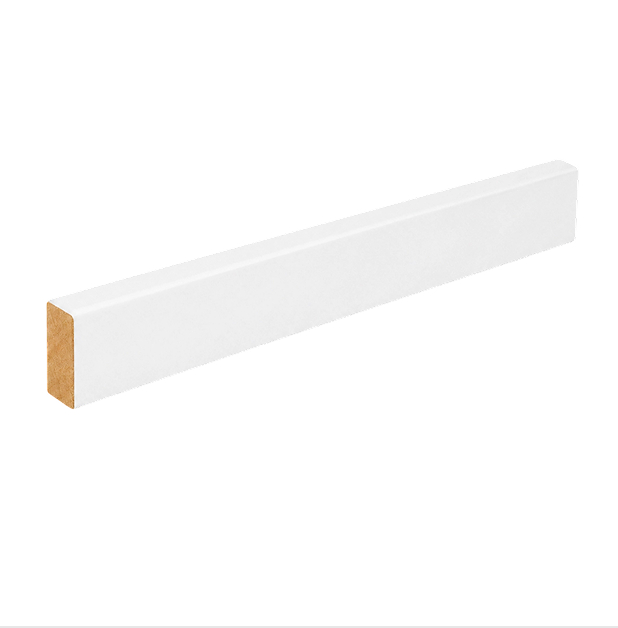
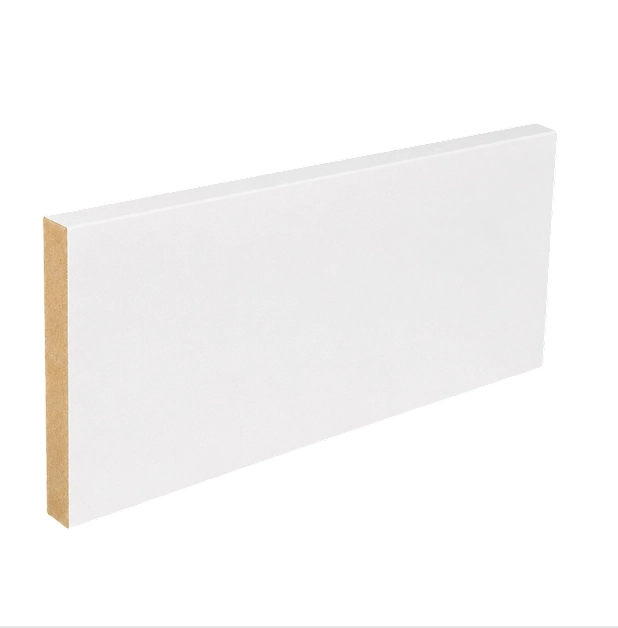
These profiles can be used as starting options.
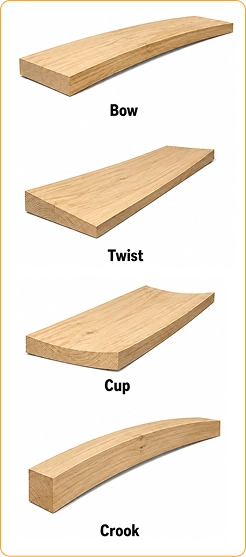
Before ordering, confirm the finished thickness, finished width, edge condition, moisture range, surface grade, color consistency, and straightness. Surfaced boards can still cup, twist, or bow if material quality, storage, or moisture control is not properly managed.
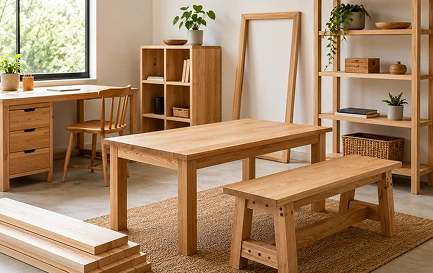
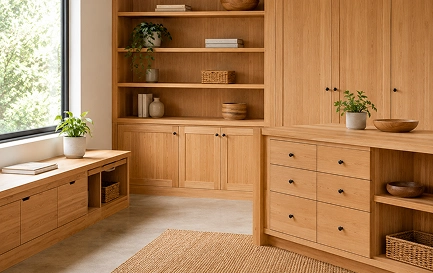
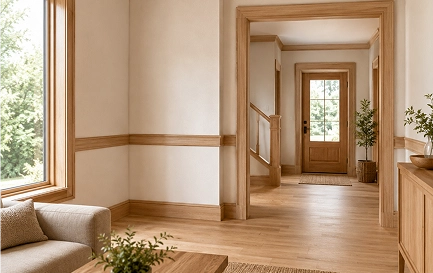
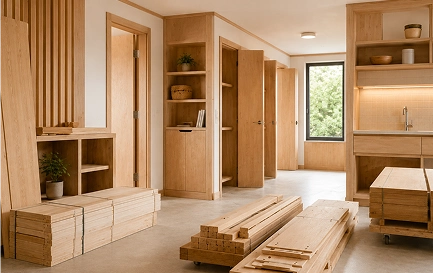
Species selection affects appearance, hardness, price, finishing, and stability. Common options include:
Note: Available species depend on project quantity, sourcing region, and delivery requirements.
Important: Always confirm the actual finished size
Nominal size is the board name used for general reference. Actual finished size is the real measured thickness and width after surfacing, milling, and drying.
Many lumber products are referred to by nominal size even when the actual measured size is smaller after processing. Size rules may also vary by market, wood species, supplier, and production standard.
For S4S lumber, drawings, quotations, and production orders should always confirm the actual finished size, not only the nominal size.
Depending on the project, S4S boards can be supplied with different preparation levels.
Smooth planed surface, sanded surface, visible-face selection, clear-finish preparation.
Square edge, slightly eased edge, or clean machined edge for easier handling and installation.
Unfinished supply, primed surface, paint-grade selection, or stain-grade selection.
For a stain or clear finish, ask about visible face quality. For paint-grade use, surface smoothness and straightness may matter more than grain figure.
Wood changes as moisture changes. The USDA Wood Handbook explains that wood moisture content is closely tied to dimensional change and physical behavior.
In simple terms:
A surfaced board can still move after delivery.
Architectural wood products should be stored carefully. AWI guidance says material should be elevated off the floor and protected from sunlight, excess heat, cold, moisture, and humidity swings.
Start with the final appearance. For paint-grade work, poplar, primed pine, or other smooth paint-grade stock may be suitable. For stained or clear-finish work, oak, walnut, cherry, maple, or white oak is more common. For rustic interiors, knotty alder, pine, or character-grade boards may work better.
Do not choose species by price alone. A cheaper board that does not finish well can create more rework later.
Even surfaced wood should be checked before use. Look for bow, cup, twist, crook, end checks, dents, milling marks, and uneven edges.
For visible work, inspect the best face. For long trim pieces, check the full length. For shelving, consider how the board will perform over the span.
Moisture can affect even well-surfaced boards. Before installation, keep boards flat, dry, supported, and away from wet job sites or direct sunlight. Allow acclimation when needed, and avoid opening wrapped bundles too early in unstable conditions.
For larger orders, storage and handling instructions should be confirmed before shipment.
Do not order only the exact net amount. Allow extra material for offcuts, end trimming, color matching, grain selection, layout changes, job-site damage, or minor installation errors.
For repeat trim, shelving, or cabinetry work, this extra material helps prevent delays.
For project orders, Lyngou can coordinate S4S lumber by application, size, quantity, finish level, packing method, and delivery plan.
Custom options may include wood species, finished profile size, board length, surface grade, sanding or priming, and quantity planning by project area.
Instead of buying random boards and adjusting everything on site, S4S lumber can be prepared around the required appearance, packing needs, and installation workflow.
S4S boards have machined surfaces, so packing matters. Project packing can include bundle wrapping, edge protection, moisture protection, pallet or crate packing, size labels, room labels, packing lists, and photo documentation.
Before shipment, Lyngou can check finished size, quantity, surface condition, species match, packing condition, and label accuracy according to the agreed project requirements.
S4S lumber usually costs more than rough lumber because it has already been surfaced, sized, and handled before delivery.
The price is mainly affected by the wood species, grade, finished size, surface quality, quantity, finishing requirements, packing method, freight, and destination.
However, the lowest board price is not always the lowest project cost. Before comparing options, consider how much milling time you can save, whether you have the right tools, whether cleaner surfaces reduce installation time, and whether better sizing reduces waste.
For many visible interior projects, S4S lumber can be the better total-cost choice.
To quote S4S lumber accurately, please provide:
01
Application
02
Species preference
03
Finished thickness
04
Finished width
05
Length requirement
06
Quantity
07
Surface grade
08
Paint, stain, or clear-finish plan
09
Moisture requirement
10
Edge detail
11
Packing requirement
12
Delivery country or region
13
Target schedule
If you are not sure about the exact specification, send the project use first. Lyngou helps review the suitable size, species, surface option, and packing method based on your application.