
From standard profiles to project-specific trim requirements, Lyngou helps match materials, dimensions, finishes, packaging, and supply details to your building project.
In simple terms, trim is the broader category. It includes finishing pieces such as baseboards, casing, jambs, and edge trim. For a broader comparison of baseboards, casing, crown molding, wall trim, and other applications, see our guide to the main types of trim.
Molding, also spelled moulding in some markets, usually refers to shaped or decorative profiles that add shadow lines, depth, and style to a room.
Many interior spaces look unfinished when the edges are not properly detailed. Floor-to-wall joints, door openings, window frames, ceiling lines, and wall panels all need the right finishing components.
| Feature | Wood Trim | Wood Molding / Moulding |
|---|---|---|
| Meaning | A broad finishing component | A shaped or decorative profile |
| Common Examples | Baseboards, casing, jambs, edge trim | Crown molding, chair rail, panel molding |
| Typical Use | Functional finishing and protection | Decorative design and architectural detailing |
| Finish Options | Paint, stain, natural | Paint, stain, natural, decorative |
Functional Use: Protects wall edges, prevents scuffing and impact damage, and covers gaps between surfaces.
Decorative Use: Adds visual depth, highlights the interior style, and gives the space a more refined, finished look. Tip: When choosing trim or molding, start by deciding whether the priority is function or decoration. This will help guide the material, profile, and size selection.
Lyngou supplies both standard and custom wood trim molding profiles for interior finishing, casing, baseboards, edge trim, and decorative applications.
The same trim profile may work for different applications depending on its dimensions, installation position, and project requirements.
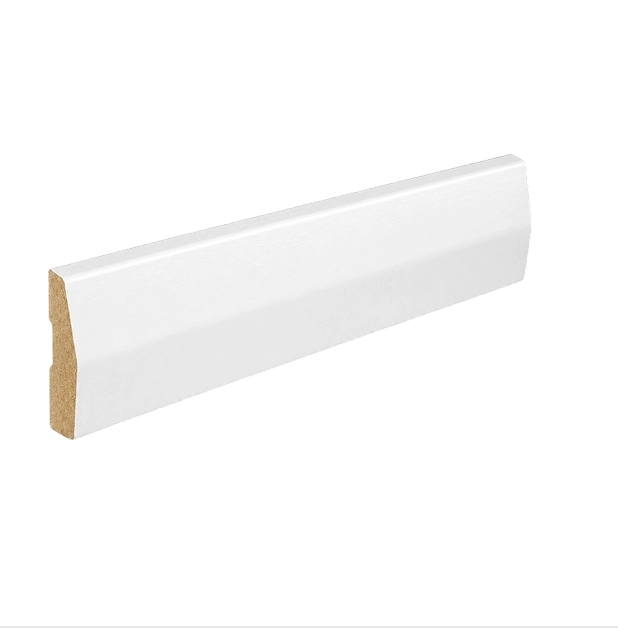
Casing/Baseboard
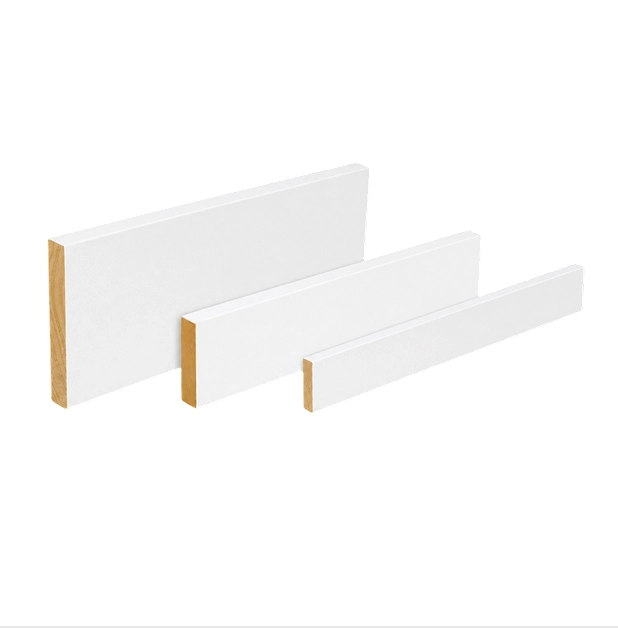
Casing/Baseboard/Decorative Trim
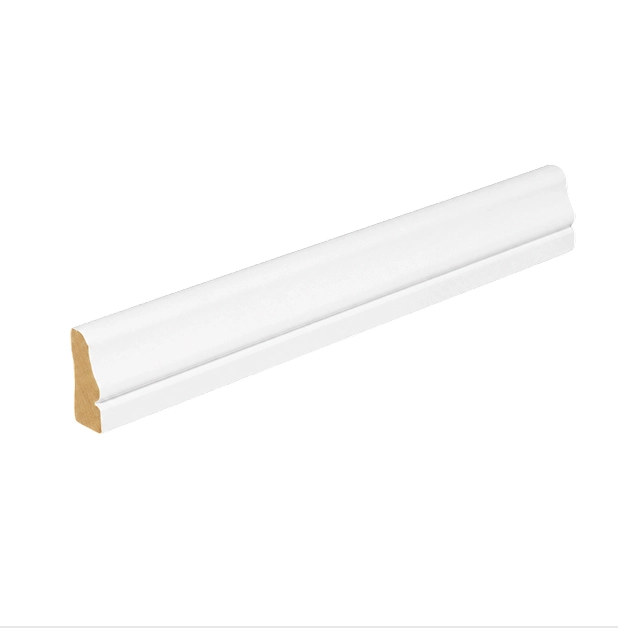
Casing/Decorative Trim
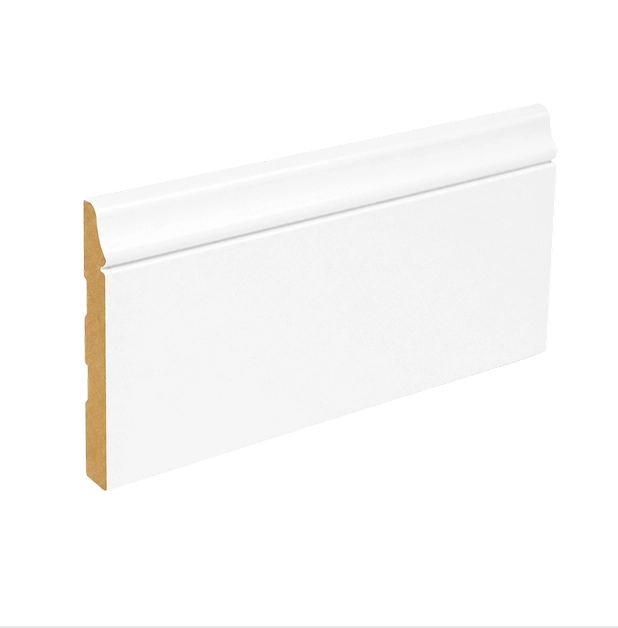
Baseboard/Decorative Trim
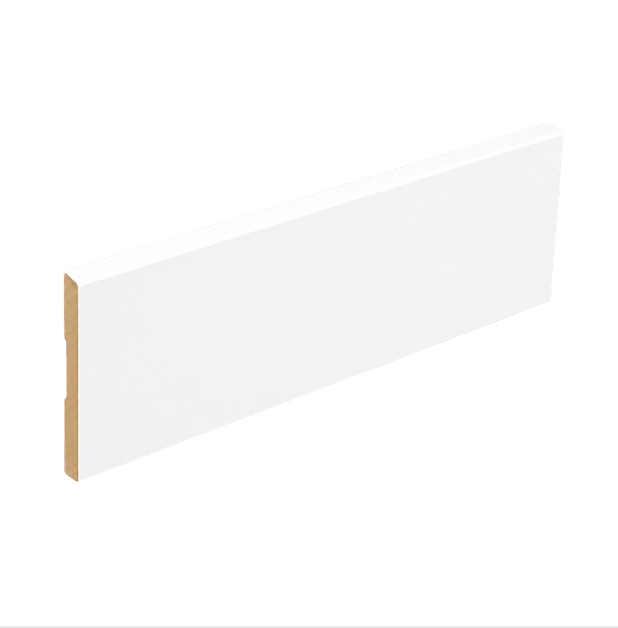
Baseboard
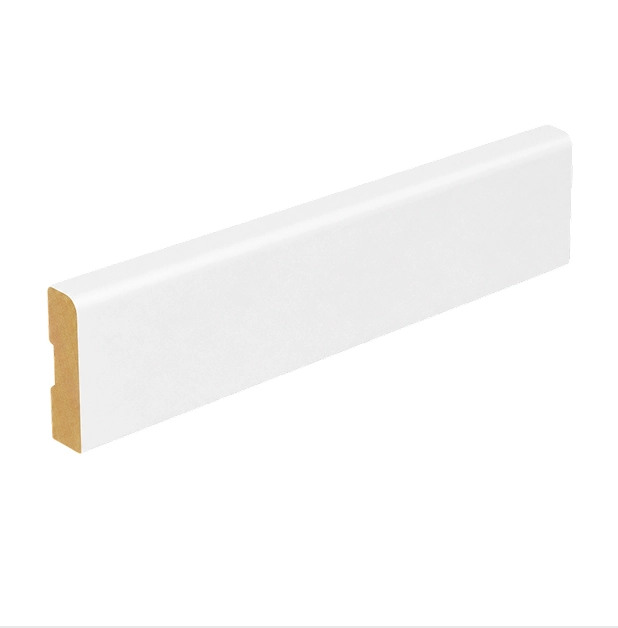
Casing/Baseboard
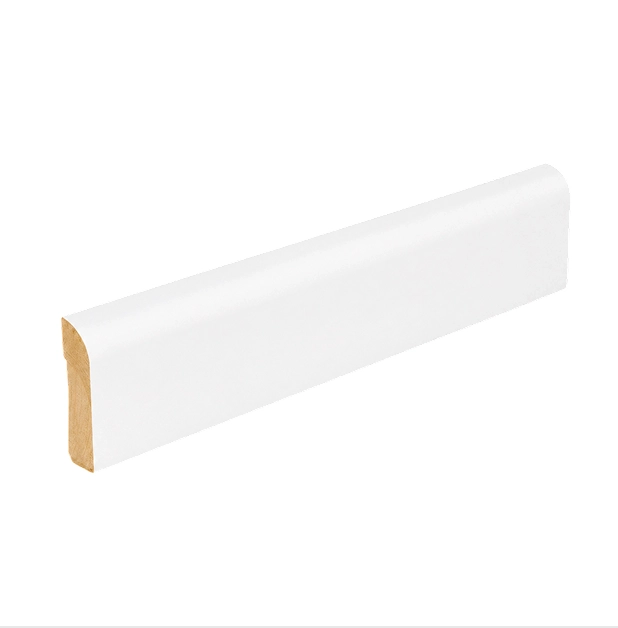
Decorative Trim
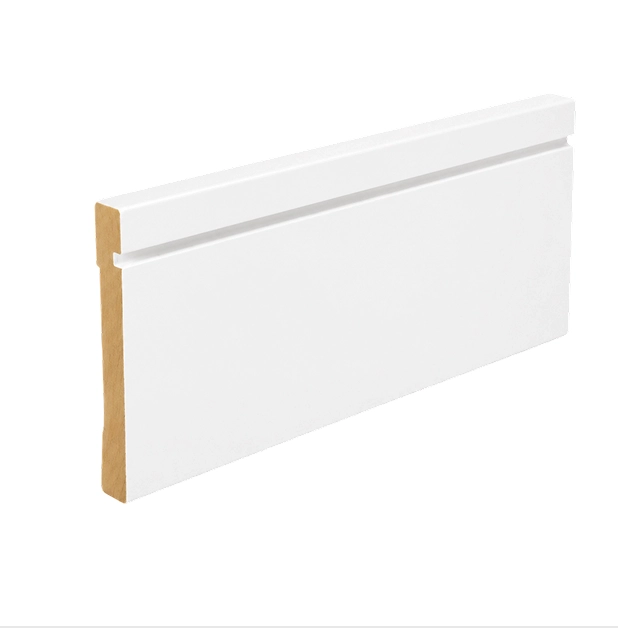
Baseboard
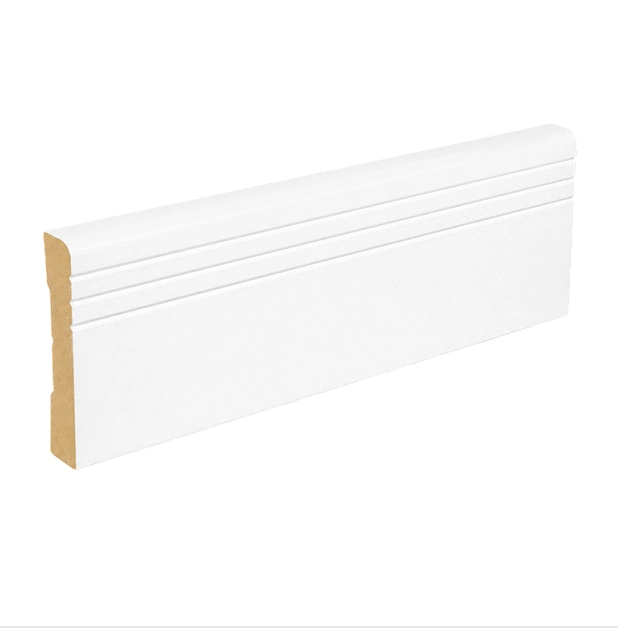
Baseboard
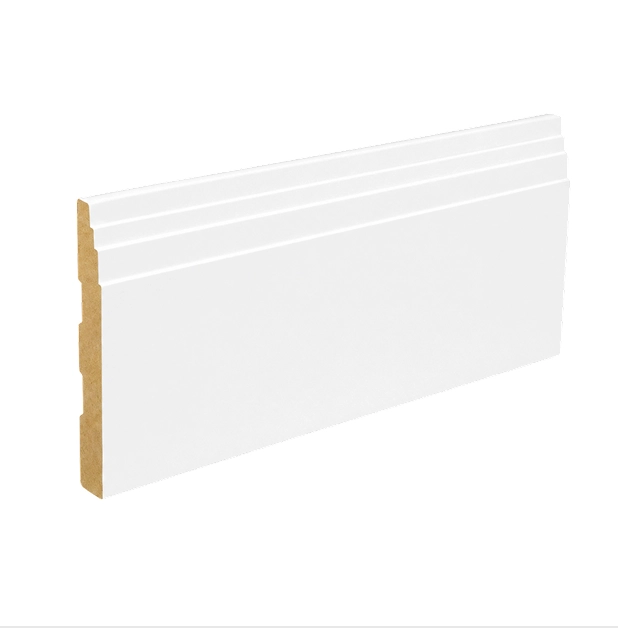
Baseboard
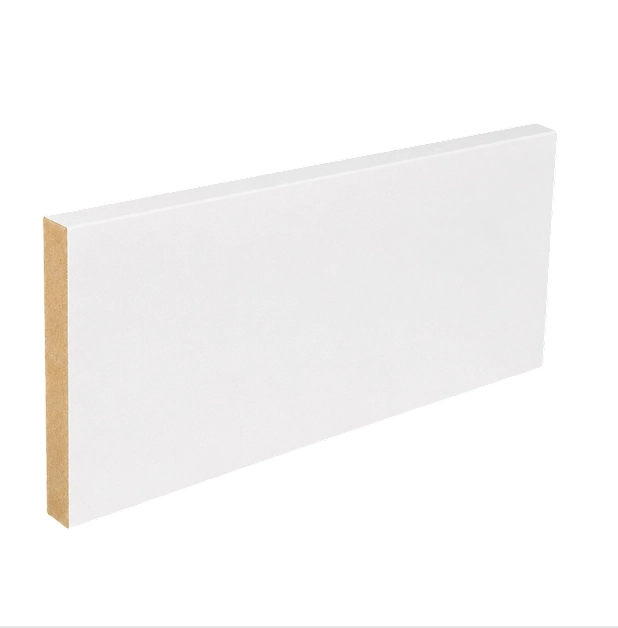
Baseboard
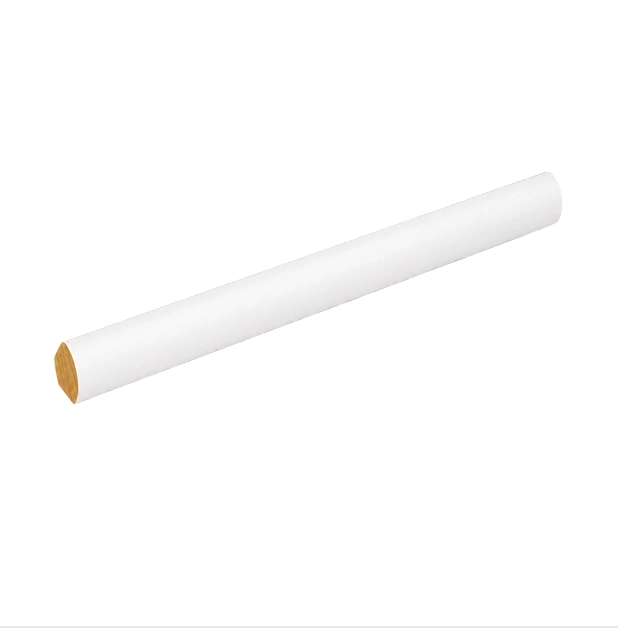
Decorative Trim/Baseboard
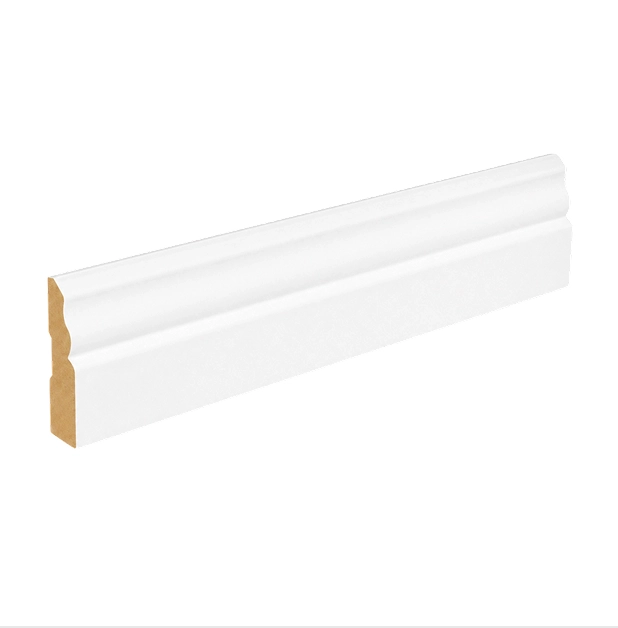
Casing/Decorative Trim
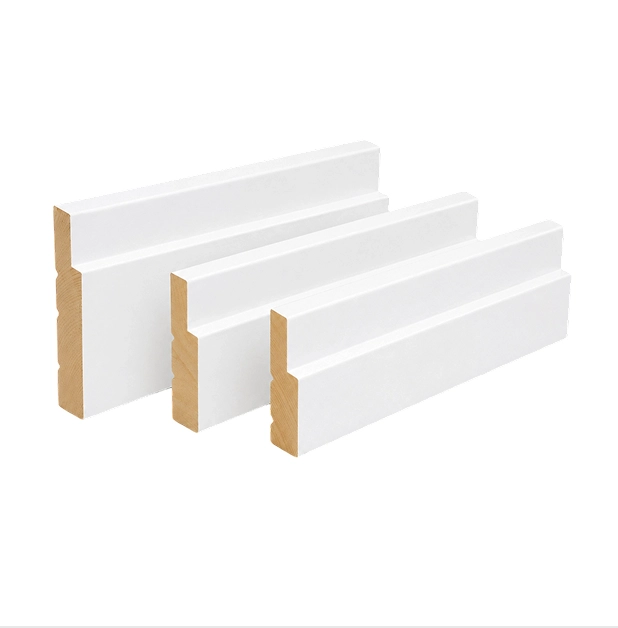
Door and Window Jamb
Different trim pieces solve different problems. Some protect the wall. Some frame openings. Some add decorative detail. In actual interior finishing, the most common options fall into the following categories:
Baseboards are one of the most common types of wood wall trim. They are installed where the wall meets the floor, covering flooring gaps. Baseboard trim and skirting boards protect the lower part of the wall from scuffs and impact while also giving the room a cleaner, more finished look. Common styles are modern minimalist profiles or classic carved designs.
Our Bull Nose, Pencil Round, Quarter Round Molding, 1 Groove, and 3 Groove trim can be used for skirting boards. View our wood baseboard trim profiles.
Door and window casing is used around interior openings to frame doors and windows, cover the joint between the wall and frame, and also create a clean finished detail. It usually includes two side pieces and a top piece. For some projects, it can also be matched with jamb components. Common profile options include Narrow Colonial, Bevel, Pencil Round, and other custom trim styles.
The room usually feels more cohesive when the casing matches the baseboards in both style and color tone.
View our wood window and door casing profiles.
Crown molding is installed where the wall meets the ceiling. Material options involve solid wood, pre-primed pine, and polyurethane.
Beginners may want to start with a lightweight material such as polyurethane. It is easier to install and can still create a clean finished ceiling detail.
Wood crown molding softens the wall-to-ceiling transition, adds architectural detail, and helps create a more refined, elevated interior. It is commonly used in traditional interiors, villas, and higher-end residential spaces. Crown moulding also works well with modern, classic, and quiet luxury interiors if chosen carefully. In very minimal modern interiors, simpler ceiling trim or cleaner profiles may be a better fit.
Decorative wood trim molding can quickly turn plain wall surfaces into more finished interior details. It can be used for chair rails, wainscoting, wall panel molding, picture frame wall designs, and custom decorative profiles.
A chair rail is installed around the middle height of the wall to protect the surface and separate different colors or finishes. Wainscoting trim is used on the lower wall area to add texture, depth, and durability. Wall panel molding creates framed patterns on flat walls for a more refined architectural look.
For project supply, we can review decorative wood molding based on drawings, dimensions, quantity, finish requirements, and installation conditions.
For baseboards, taller and cleaner profiles can make the wall-to-floor transition look more finished. For door and window casings, choose a profile that works well with the baseboard so the room feels consistent. For wall panel molding, chair rail, or wainscoting, the profile should add visual structure without making the wall feel too heavy.
Material selection affects appearance, cost, installation, moisture resistance, and long-term performance.
When selecting trim and molding, try to start with one question: Will the trim be painted, stained, or used in a moisture-prone area?
Advantages:
Solid wooden trim offers natural grain, good durability, and a premium appearance. It can be painted or stained depending on the wood species and project style. Common wood options include pine, poplar, oak, white oak, walnut, and other project-based species.
Limitations:
Solid wood is more expensive than MDF, PVC, or polyurethane. It can also be affected by humidity if the material is not properly selected, dried, finished, or installed.
Common applications:
Crown molding, decorative wall panels, visible interior trim, custom trim profiles, hotel interiors, villas, and higher-end residential projects.
Advantages:
MDF trim is made from medium-density fiberboard, an engineered wood material that can be machined into different interior trim profiles. It offers a smooth surface, consistent profile quality, and can be supplied pre-primed or ready for painting. It works well for painted trim in white, gray, beige, and other solid-color finishes.
Limitations:
MDF does not provide the natural grain or texture of solid wood. It is better suited for paint-grade applications rather than stain-grade or natural wood finishes. It should also be used carefully in high-moisture areas.
Common applications:
paint-grade trim, baseboards, door and window casings, chair rails, apartments, commercial interiors, budget-sensitive projects, and large-quantity orders.
Advantages:
PVC and polyurethane trim offer better moisture resistance than many traditional wood-based materials. They are easy to maintain and practical for spaces where durability and easy upkeep are more important than natural wood texture.
Limitations:
PVC and polyurethane do not have the same natural grain, warmth, or premium feel as solid wood. They may also look less authentic in projects that require a natural or stain-grade finish.
Common applications:
Bathrooms, utility rooms, baseboards, door and window casings, chair rails, selected semi-exterior trim, and moisture-prone interior areas.
Advantages:
Primed pine trim is a good choice for interior trim that will be painted. It keeps the natural workability of wood while saving finishing time on site. Since the primer is already applied before installation, it provides a smoother and more consistent base for the final paint coat.
Limitations:
The final appearance still depends on the selected paint or custom finish. Pre-primed options may also offer fewer color choices before final coating.
Common applications:
Baseboards, door and window casings, paint-grade interior trim, functional trim profiles, and projects where faster finishing is required.
Choosing wood mouldings or trim is not only about function. The profile, size, and finish also affect the style of the whole room. In 2026, the main trend is simple: cleaner lines, taller baseboards, warmer finishes, and more refined details.

Modern interiors work best with simple profiles, clean edges, and light-painted or natural finishes. These details keep the space calm and uncluttered.
Traditional interiors often use more decorative profiles, such as colonial casing. These profiles add depth and a more classic architectural feel.
| Style | Recommended Profiles | Best Applications |
|---|---|---|
| Modern | Pencil Round, Bullnose, Bevel | Minimal interiors, prefab homes, offices |
| Traditional | Colonial, Colonial A | Villas, hotels, classic interiors |
| Decorative | 1 Groove, 3 Groove, wall panel molding, chair rail | Feature walls, wainscoting, apartments, and hotel interiors |
| Project-Based | AS3, S3, S3S, S4S, custom profiles | Custom interiors, bulk projects |
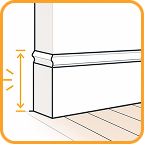
Taller baseboards are becoming more popular in both homes and commercial interiors. They make the wall-to-floor transition look more finished and can make a room feel more premium.
For modern spaces, choose flat or lightly rounded profiles. For classic spaces, choose baseboards with more curves, grooves, or layered details.

In higher-end or traditional interiors, layered crown molding can make the room feel more complete.
Wall panel molding and chair rail are also useful for creating feature walls, wainscoting, hotel rooms, apartment interiors, and formal living spaces.

Quiet luxury is about looking refined without being too decorative. For this style, choose simple profiles, soft white finishes, light natural wood, warm wood tones, or dark wood finishes.
Warm wood trim works well in residential interiors because it adds comfort and a natural feeling. Dark wood trim can create a more sophisticated, high-contrast look, especially when paired with neutral walls and simple architectural details. In modern minimalist spaces, we recommend light-colored or white pre-primed pine wooden trim. It adds structure and detail, but still keeps the room clean and understated.
Wood trim pricing is not based on size alone. The final cost depends on the material, profile design, finish, quantity, packaging, treatment, and shipping requirements.
Measure the room perimeter or project area first, then allow extra quantity for cutting waste, corners, joints, and installation errors.
For project-based supply, accurate drawings, dimensions, quantity schedules, and finish requirements are usually needed before a final quotation can be prepared.
| Cost Factor | Why It Matters |
|---|---|
| Material Species | Different wood species, MDF, or PVC have different costs and performance. |
| Profile Complexity | Simple flat profiles are usually easier to produce than carved, grooved, or layered profiles. |
| Dimensions | Wider, thicker, or taller trim uses more material. |
| Surface Finish | Primed, painted, stained, varnished, or custom-coated finishes affect cost. |
| Paint-Grade or Stain-Grade | Stain-grade trim needs better wood appearance and more careful selection. |
| Quantity | Larger orders may be more efficient for production and packaging. |
| Packaging | Export packaging, bundle protection, and labeling can affect the final price. |
| Treatment | Anti-termite, moisture-resistant, or exterior treatment may add cost. |
| Custom Tooling | New or custom profiles may require tooling or mold setup. |
| Shipping Volume | Long trim pieces and bulky packaging affect container space and freight cost. |
| Destination Market | Import standards, packaging needs, and logistics vary by country. |
Need a wood trim quotation?
Feel free to send us your drawings, profile requirements, dimensions, quantity, finish preference, and destination market.
Wood trim and molding are usually installed by local contractors, interior teams, or as part of a prefab building package. For most project buyers, the key is not to handle the installation themselves, but to confirm the right profile, material, finish, and installation conditions before ordering. Even a well-made trim profile can look poor if the cuts, joints, fastening, caulking, and finishing are not planned properly. That is why we recommend checking the following details early:
For project-based orders, drawings, quantity schedules, finish requirements, and destination details help us recommend the right trim solution and prepare a more accurate quotation.
Wood trim can also be coordinated with flooring, wall panels, doors, cladding, and other prefab building components as part of a wider project package.
Not exactly. The former is a broader term for finishing components used around floors, walls, doors, windows, and ceilings. The latter wood molding often refers to shaped or decorative profiles. In many projects, the terms overlap.
Solid wood is suitable for natural texture, staining, and premium interiors. MDF is often used for painted interior trim. PVC or polyurethane may be considered for moisture-prone areas.
Common types include baseboard trim, door casing, window casing, crown molding, quarter round, chair rail, panel molding, and jamb-related components.
We can supply wood trim profiles for curved walls, arches, columns, and other rounded interior applications. Profile suitability depends on the required shape, bending radius, dimensions, material, finish, installation method, and order quantity. Please provide drawings, radius measurements, reference images, or samples for evaluation.
Selected trim profiles may be suitable for cabinet edges, decorative details, fillers, and cabinet-to-wall or cabinet-to-ceiling transitions. We also support custom wood trim for cabinets, based on drawings, samples, dimensions, material, finish, quantity, and installation requirements.
Please provide profile drawings or reference images, dimensions, material requirements, quantity, finish requirements, packaging needs, and destination market.
Wood trim and wood molding help create cleaner edges, better openings, and a more finished space.
Lyngou supplies project-based wood trim and molding options, including baseboards, casing, crown molding, jamb components, decorative wall trim, and custom profiles for prefab and interior projects.
Tell Us About Your Project