
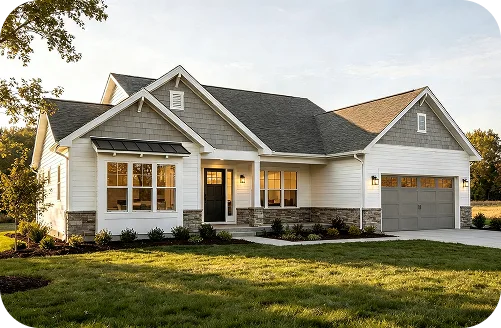
Whether you are comparing the best modular homes in Ohio, exploring prefab homes in Ohio, or looking for a custom solution for your land, the key questions are usually the same: what type of home makes sense, what affects the final cost, and what is required before you can build.
Share Your Project
$80–$160 / sqft installed
Delivery Options
Prefab systems or integrated delivery
Best For
Landowners, developers, rural housing
Common Types
Small homes, farmhouse, cabins, custom
Key Factors
Zoning, site access, utilities, installation
Housing supply has not kept up with demand. According to the Ohio Housing Finance Agency, the state’s housing stock has grown by only 2.0% since 2019, well below the national average. While vacancy remains tight, it continues to put pressure on both buyers and renters.
Factory-based construction can help reduce uncertainty, improve schedule control, and make housing delivery easier to manage. For Ohio buyers and developers, prefab systems can be useful when cost predictability, site access, and construction timelines matter.
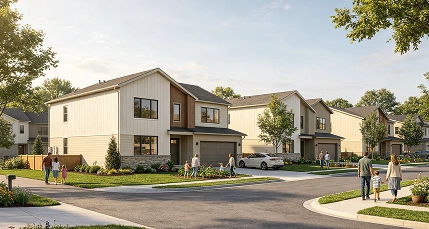
These terms are often used together, but they are not the same.
Modular homes are typically built in sections in a factory, delivered to the site, and installed on a permanent foundation under state and local building codes. For most buyers, the key concern is whether the home is permanent, compliant, and suitable for the land.
Prefab is a broader term that may include modular, panelized, or kit-based systems. Modular homes in Ohio are one type of prefab construction. Our role is to support modular-compatible and prefab housing projects through systems, components, and delivery coordination.
Manufactured homes follow a different federal code standard and may face different zoning or placement rules. Modular homes are closer to site-built homes in approval path and permanent residential use.
We do not operate as a modular home manufacturer in ohio. Instead, Lyngou works as a prefabricated building system provider. We support project teams by supplying prefab systems, components, packaging, shipping, and delivery coordination.
Licensed local contractors usually handle permits, foundations, installation, inspections, and final approval. Project teams, contractors, and developers integrate prefab systems into their builds while meeting local requirements.
Different projects call for different housing types. Depending on your land, budget, intended use, and delivery preference, we can support a range of Ohio prefab homes.
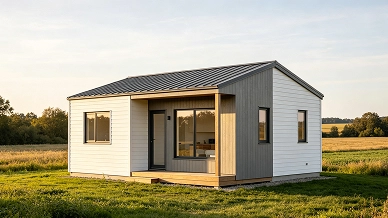
A good fit for buyers focused on secondary homes, compact living, or entry-level budgets. Often used for efficient residential use or smaller-scale developments.
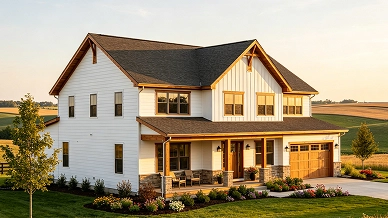
A popular choice for buyers looking for a familiar residential style. Works well in both rural settings and suburban developments.
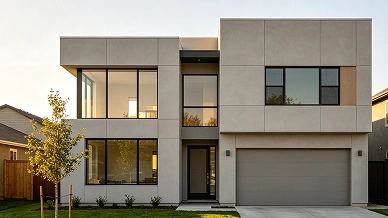
Suitable for larger households or projects that require more floor area. Helps maximize space on smaller plots of land.
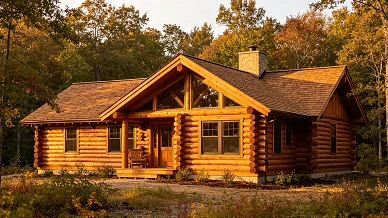
Often considered for rural land, getaway properties, or projects that need a more distinctive exterior character.
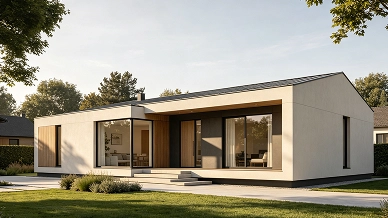
Homes with clean layouts, simple forms, and contemporary finishes
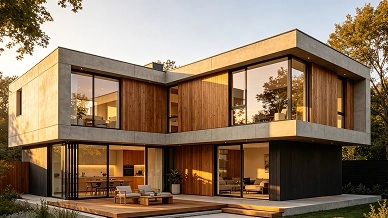
For projects that require more flexibility, layouts and systems can be tailored to your specific requirements.
Cost is one of the most important factors when planning a modular home.
The modular home pricing usually has two parts: the base home price and the total project cost after delivery and site work.
Instead of focusing only on the base price, it is more useful to look at the full project scope.
A home may look affordable at the base-unit level, but the final cost will also depend on transportation, installation, foundation work, utilities, permits, and finish level.
| Cost Area | What it Includes |
|---|---|
| Base unit | Structure, size, layout, standard materials |
| Delivery | Shipping distance, logistics, load size |
| Installation | Crane, labor, setup conditions |
| Site work | Foundation, grading, utility preparation |
| Interior and exterior finish | Standard package vs upgraded selections |
Important: The most useful pricing question is not “What is the base price?” but “What is included, and what still needs to be completed on site?”
If you are comparing modular home prices in Ohio, the most useful question is “What is included, and what still needs to be completed on-site?” The final cost of modular homes in Ohio depends on how the project is delivered, whether as a prefabricated system, component package, or more complete solution.
That is also why the same floor plan can have very different final prices depending on site conditions and project scope.
Prefab home costs vary, but here is a general guide.
For budgets around $50K – $80K, projects usually involve small prefab systems or basic structures. These often come with limited finishes and may require more on-site work, such as installation and interior completion.
In the $80K – $150K range, buyers can expect standard prefab homes with moderate size and more complete layouts. Finishes are basic to mid-level, offering a balance between cost and functionality.
For budgets starting from $150K and above, projects tend to include larger homes, custom layouts, and higher-quality finishes. These projects involve a more complete delivery scope, reducing the amount of work required on-site.
Actual costs may vary depending on site conditions, delivery distance, local regulations, and project complexity.
Here are some practical ways for you to control costs:
The biggest cost savings usually come from better planning, not cheaper materials.
In many cases, yes — but the site should be reviewed before finalizing the building system or floor plan.
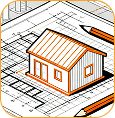
Design & Planning
1–3 weeks
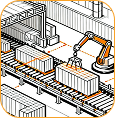
Prefabrication
2-5 weeks

Site Work
Often in parallel
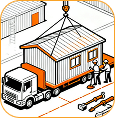
Installation
Days to weeks
01
Tell us about your location, land conditions, building type, and timeline.
02
We help match your project with a suitable prefab or building system.
03
Layouts, structure, and materials are aligned with your project requirements.
04
Components or systems are produced in a controlled factory environment.
05
Shipping and installation planning are arranged with local contractors.
Actual timing depends on site conditions, local requirements, shipping, and project complexity.
Complete home delivery in the U.S. involves multiple parties. Our systems are designed to support efficient project outcomes while local teams manage final construction and approvals.
For many projects, prefabricated components or building systems offer flexibility for local construction teams. This approach reduces on-site complexity while allowing local contractors to manage installation.
Some projects may require a more complete delivery scope. We can support turnkey-level outcomes through coordinated prefab systems, but final installation and approval are often completed locally.
Licensed local contractors usually handle permits, foundations, inspections, and site installation. We support the process through production, packaging, delivery planning, and technical coordination.
For Ohio projects, buyers and developers often need more than a product supplier. They need a partner who understands how system choice, delivery scope, and site coordination affect the whole project.
Yes, in many cases, but local zoning and building requirements must be followed.
The most common challenges are not always related to the home itself. They often come from overlooked zoning rules, limited road access, utility challenges, or site preparation requirements. Local professionals should review these conditions before construction begins.
Costs vary depending on home size, finish level, delivery distance, installation requirements, and site work.
Modular homes are a type of prefab housing built in sections. Prefab is a broader category that includes multiple construction methods.
Modular homes are a type of prefab housing built in sections. Prefab is a broader category that includes multiple construction methods.
Complete delivery involves local licensed contractors. We support turnkey-level outcomes through prefab systems and coordination.
Modular homes and manufactured homes follow different construction and approval paths. For most permanent residential projects, buyers often prefer modular homes.
Delays and on-site uncertainty are often the biggest sources of cost overruns.
When evaluating off-site or building systems for Ohio modular homes, buyers and developers often look at whether the system is repeatable, whether the supplier can coordinate delivery clearly, and whether the materials and structural approach fit the project goals.
For example, when exploring timber-based prefab houses in Ohio, teams may consider FSC-traceable wood sourcing, standardized component systems, or engineered wood options such as CLT or glulam. These factors support better consistency, sustainability, and scalability.
Tell Us About Your Project